Mowgli is a human child raised by wolves in the jungle. He navigates the challenges of both the jungle and human world, learning important life lessons from his animal mentors.
Bagheera is a black panther who mentors and protects Mowgli. He is wise and cunning, balancing strength and intelligence to guide Mowgli through the dangers of the jungle.
Antagonist
Shere Khan
Vengeful, Fearsome, Proud
Shere Khan is a fearsome Bengal tiger and the story's main antagonist. He is determined to kill Mowgli, whom he sees threatening his dominance in the jungle.
Rating
Rating:
4.1/5
Continue down for all the characters to The Jungle Book
“The Jungle Book” stories feature a cast of anthropomorphic animals and humans. Kipling sense of character development is excellent, and these characters have dramatic weight, are memorable, and carry well throughout the stories. Below are some of the prominent characters in the book.
Mowgli
Role: Protagonist
Key Info: Orphan, Raised by Wolves, Seeks Identity
A human child raised by wolves who must navigate the dangers of the jungle and his place in the human world.
Background: Mowgli is the central character in the first three stories of “The Jungle Book.” He was abandoned as a baby when a tiger, Shere Khan, drove away his parents from their camp in the jungle. A female wolf, Raksha, adopts and raises him in a wolf pack.
Personality: Mowgli is quick-witted, frank, brave, and fearless. He exhibits a confident and dominant personality, as seen in how he takes over the management of the village herd when he joins the herding boys.
Development: Throughout the stories, Mowgli transitions from being a helpless “man-cub” who needs the protection of the wolves from Shere Khan to maturing into the confident and self-reliant person who kills his tiger foe.
Significance: Mowgli is used to explore the theme of identity and belonging, navigating between the world of the jungle and human society and searching to find where he truly belongs.
Mowgli’s journey features a classic coming-of-age tale that explores identity, adaptation, and the conflict between nature and civilization. His upbringing by wolves imbues him with a unique perspective, enabling him to bridge two worlds but also leaving him perpetually caught between them. His enduring conflict with Shere Khan symbolizes the struggle against oppressive forces and fighting for one’s place in the world. Mowgli’s resourcefulness and courage highlight the importance of self-reliance and resilience in adversity.
Key Info: Sloth Bear, Teacher of the Law, Mowgli’s Guardian
A laid-back, wise bear who teaches Mowgli the laws of the jungle and the values of friendship.
Background: Baloo is a sloth bear featured in the Mowgli stories of “The Jungle Book.” He vouches for Mowgli when no wolf would accept him, taking on the role of Mowgli’s foster parent and teacher.
Personality: Baloo is diligent and knowledgeable about the law of the jungle. He is earnest and straightforward.
Development: Baloo’s relationship with Mowgli evolves from a stern teacher to a more affectionate guardian, showcasing his deep care and concern for the boy’s safety and growth.
Significance: Baloo embodies the importance of education, discipline, and the transmission of knowledge. His role as a mentor is crucial in Mowgli’s development and survival.
Baloo, portrayed as a diligent and excellent teacher with a vast knowledge of the law of the jungle, represents the wisdom and structure that jungle law provides. He is often harsh in his lectures and strikes Mowgli several times when he is unimpressed with the young boy’s learning efforts. His strict yet loving guidance helps Mowgli navigate the jungle, evade danger, and develop character.
Bagheera
Role: Mowgli’s Guardian and Advisor
Key Info: Black Panther, Worldly, Cunning
A black panther and Mowgli’s protector, using his wisdom and strength to guide the boy through the jungle.
Background: Bagheera is a black panther and one of Mowgli’s guardians. He buys the right to vouch for Mowgli by offering the wolf pack a freshly killed buffalo. Bagheera feels indebted to humans, having been raised in captivity.
Personality: Bagheera is aloof, proud, cunning, and fiercely self-reliant. He is diplomatic and prefers to use his wits over brute force, contrasting with Baloo’s straightforward approach.
Development: Bagheera’s role evolves from that of a doting guardian who will spare no effort to pamper Mowgli to that of a more mature advisor who gives him sage counsel on grave and weighty matters.
Significance: Bagheera represents wisdom and the importance of understanding the world beyond strict rules. His guidance complements Baloo’s teachings, providing Mowgli with a well-rounded education.
Bagheera’s character highlights the significance of intelligence and strategy in navigating delicate and difficult situations. His cunning and worldly knowledge give Mowgli critical survival skills and a broader perspective on the jungle’s intricacies. Bagheera’s relationship with Mowgli illustrates the balance between affection and discipline, demonstrating that guidance often requires heart and mind. His presence in Mowgli’s life and Baloo’s signifies the value of diverse mentorship and that one usually needs different forms of strength to thrive.
Akela
Role: Leader and Elder
Key Info: Wolf Pack Leader, Fair, Noble
Background: When Mowgli is first presented, Akela is the old wolf who presides over the Council of the Seeonee wolf pack. Known for his expertise in hunting, he leads the pack to many successful kills.
Personality: Akela is wise, reserved, and fair. He gives everyone a chance to defend their propositions and upholds the law of the pack firmly but justly.
Development: Akela’s leadership is challenged as he ages and loses his edge, but his wisdom and fairness remain intact. He eventually helps Mowgli in his quest to kill Shere Khan, repaying Mowgli’s earlier kindness.
Significance: Akela represents the old order and the value of experience and wisdom in leadership. His eventual downfall and the pack’s decline highlight the challenges of maintaining order and unity in the face of internal and external threats.
Akela’s character symbolizes the traditional values and structures that sustain a community. His leadership style, based on fairness and wisdom, contrasts with the younger wolves’ impulsiveness and Shere Khan’s manipulative tactics. Akela’s decline underscores the inevitable passage of time and the difficulties in preserving order and cohesion in a community. His support for Mowgli illustrates the enduring importance of loyalty and gratitude, reinforcing that true strength lies in unity and respect for established wisdom.
Shere Khan
Role: Antagonist
Key Info: Bengal Tiger, Lame, Proud and Vengeful
A scheming Bengal tiger and the story’s antagonist, obsessed with killing Mowgli.
Background: Shere Khan, also known as Lungri, the Lame One, is the primary antagonist in the main stories of “The Jungle Book.” He drives Mowgli’s parents from their camp and tries to kill Mowgli.
Personality: Shere Khan is prideful, manipulative, and vengeful. He is sore about his lameness, often schemes to get what he wants, and shows no remorse or compassion.
Development: Shere Khan’s obsession with killing Mowgli leads to his downfall. His relentless pursuit of revenge ultimately ends with his death at the hands of Mowgli and his allies.
Significance: Shere Khan symbolizes the destructive nature of pride and vengeance. His character is a foil to Mowgli, highlighting the latter’s nobility and adaptability.
Shere Khan’s character embodies the dangers of unchecked pride and the corrosive effects of vengeance. His relentless pursuit of Mowgli stems from a deep-seated sense of humiliation and a desire to assert his dominance despite his physical limitations. Shere Khan’s manipulative tactics and lack of empathy contrast with Mowgli’s courage and fairness. His eventual defeat shows that arrogance and spite are ultimately self-destructive, reinforcing the narrative’s themes of humility, cooperation, and the triumph of good over evil.
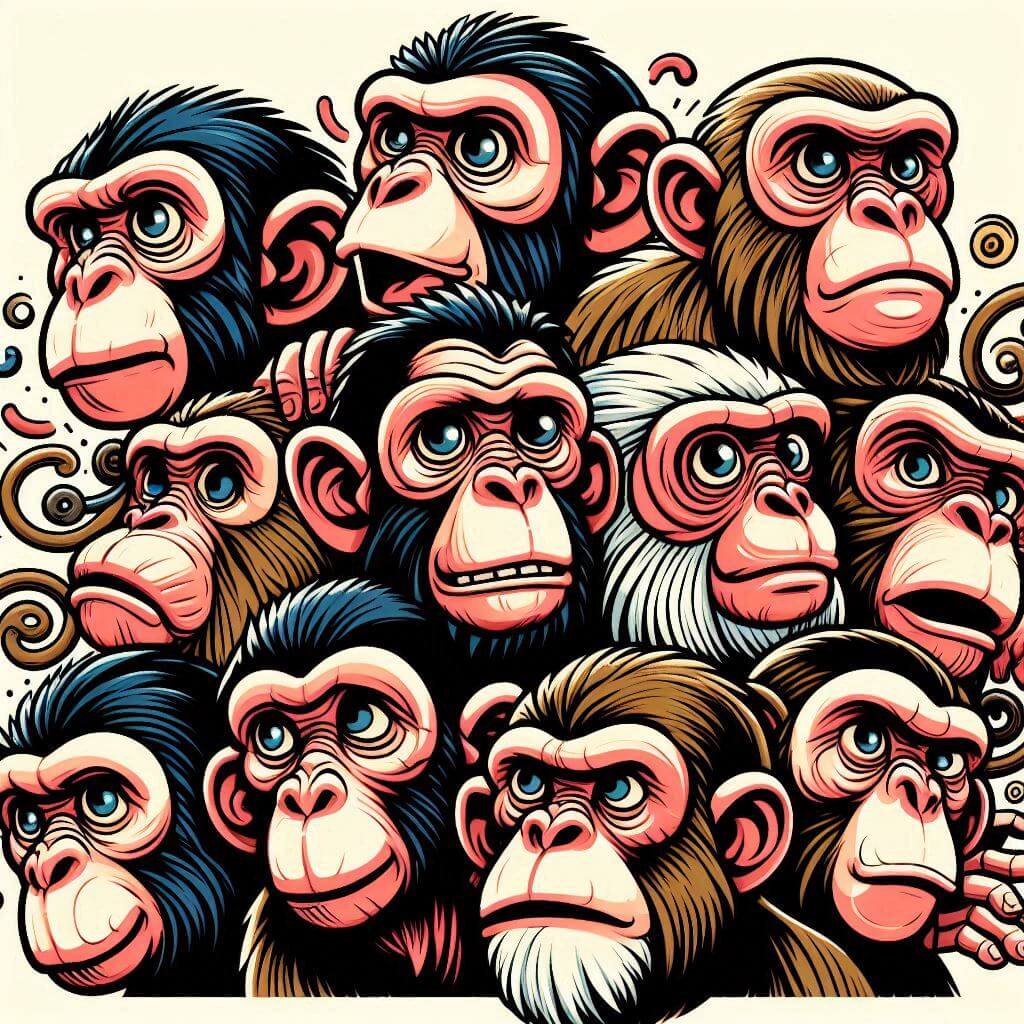
The Bandar-Log
Role: Minor Antagonists
Key Info: The Monkey People, Lawless, Irresponsible and Mischief Makers
Mischievous, chaotic monkeys who kidnap Mowgli, representing disorder and lawlessness in the jungle.
Background: The Bandar Log, or Monkey People, are a species of monkey known for their lawlessness and irresponsibility. Other animals in the jungle avoid them.
Personality: The Bandar Log are mischievous, disorganized, and unreliable. They are known for making big plans but never following through with them. Unlike other animals, they do not follow the Law of the Jungle.
Development: The Bandar Log initially appear to be full of ambition, and their fine words attract Mowgli. However, they become bullies and are empty of substance, and Mowgli learns why they have no respect in the jungle.
Significance: They represent the chaos and lack of discipline that contrast sharply with the order of jungle law and are an exemplary element in the story “Kaa’s Hunting.”
The Bandar Log’s behavior underscores the importance of structure and discipline within a community. Their chaotic nature and inability to adhere to any form of law highlight the consequences of living without rules or responsibility. They serve as a foil to the other animals, reinforcing the value of the jungle’s established order and how anarchy undermines society.
Tabaqui
Role: Minor Antagonist
Key Info: Jackal, Shere Khan’s Lackey and Spy, Flatterer
A sly and cowardly jackal who is a sycophant to Shere Khan, spreading fear and chaos.
Background: Tabaqui is a jackal who serves as Shere Khan’s lackey. He spies for Shere Khan while flattering stronger animals to gain handouts– leftovers from their hunting.
Personality: Tabaqui is sycophantic, cunning, and opportunistic. He quickly switches allegiances based on who can benefit him most.
Development: Tabaqui ingratiates himself with other strong animals and informs Shere Khan of the goings-on in the jungle. In the end, one of Mowgli’s wolf siblings kills him.
Significance: Tabaqui represents deceit and treachery, highlighting the theme of loyalty versus betrayal within the jungle hierarchy.
Tabaqui’s character illustrates the dangers of deceit and lack of integrity. His sycophantic behavior and willingness to betray others for personal gain point out the corrosive effects of opportunism. Gray Brother eventually kills him as a lesson on the consequences of treachery, reinforcing the narrative’s emphasis on loyalty and honor.
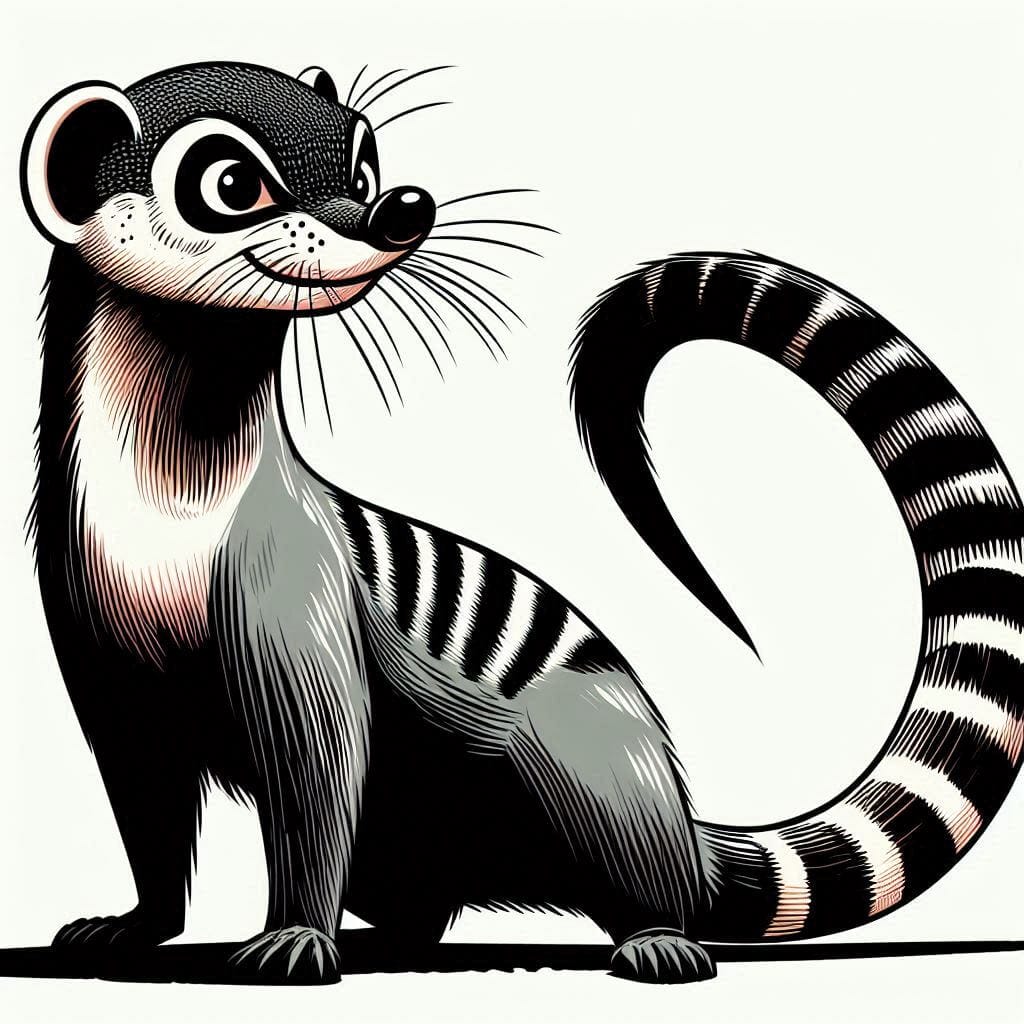
Rikki Tikki Tavi
Role: Protagonist
Key Info: Mongoose, Brave, Young Protector.
A brave mongoose who protects a human family from dangerous snakes, embodying courage and loyalty.
Background: Rikki Tikki Tavi is a young mongoose saved and kept by English family stationed in India. He cooperates with a tailor bird, Darzee, to eliminate the cobras, Nag and Nagaina, that terrorize the family.
Personality: Rikki Tikki Tavi is curious, brave, and determined. Despite his inexperience, he shows great courage in protecting his adoptive family.
Development: Rikki Tikki Tavi begins life as an inexperienced mongoose, unsure of how to navigate the threats the snakes in his environment pose. Eventually, he learns to eliminate these threats and expertly protect his foster family.
Significance: Rikki Tikki Tavi symbolizes bravery and the instinct to protect, showcasing the importance of courage and determination in overcoming life’s challenges.
Rikki Tikki Tavi’s story highlights the virtues of bravery and loyalty. Despite his youth and inexperience, his fearless approach to confronting the cobras demonstrates the power of courage and determination in protecting loved ones. His partnership with Darzee and other animals illustrates the value of cooperation and community in overcoming adversaries, reinforcing the theme of unity and collective strength.
Kotick
Role: Protagonist
Key Info: White seal, traumatized and determined, seeks a paradise for his seal colony.
A white seal who embarks on a quest to find a haven for his fellow seals away from human hunters.
Background: Kotick is a seal with a white coat due to a genetic mutation. Traumatized by witnessing his fellow seals being clubbed and skinned, he searches the world for a paradise for seals free from human reach.
Personality: Kotick is determined, compassionate, and visionary. His quest for a haven for his kind demonstrates his deep care for his fellow seals and his determination.
Development: At the start of the story, Kotick is traumatized by humans slaughtering seals and feels powerless. As the story progresses, he is inspired to search for a haven for the seals and gains confidence in his ability.
Significance: Kotick represents the quest for a utopia and the drive to protect one’s community from harm, highlighting themes of perseverance and hope.
Kotick’s journey explores the search for safety and peace in a dangerous world. His determination to find a sanctuary for his fellow seals reflects the broader human desire for a better, safer future. Kotic’s story also has strong imperialist themes.
Kaa
Role: Mowgli’s Ally
Key Info: Python, Majestic, Powerful
A wise and powerful python who becomes an unexpected ally to Mowgli, using his hypnotic abilities to assist him.
Background: Kaa is a giant python who helps Baloo and Bagheera rescue Mowgli from the Bandar Log.
Personality: Kaa is majestic and patient. He is deeply sensitive to disrespect. Bagheera can enlist his enthusiastic help by telling him the Bander Log monkeys are insulting things about him. Despite his fearsome appearance, he is calm and collected, using his immense strength to aid Mowgli.
Development: Kaa transitions from a feared creature to an ally who Bagheera and Baloo enlist to rescue Mowgli from the Bandar-Log. His strength was invaluable to Mowgli in that time of crisis.
Significance: Kaa represents the theme of hidden strengths and the unexpected ally. His power over the Bandar Log is crucial in Mowgli’s rescue.
Kaa’s character is the embodiment of immense and incontrovertible power. His portrayal as a fearsome predator leads to a deeper understanding of his role as a strategic ally. Kaa’s calm demeanor comes from knowing that few animals can stand against him. His ability to hypnotize other animals renders even his allies helpless, showing what a risky endeavor it is to be in Kaa’s presence.
Nag and Nagaina
Role: Antagonists
Key Info: Cobras, malevolent, territorial.
A couple of deadly cobras, they threaten the human family in Rikki Tikki Tavi.
Background: Nag and Nagaina are a pair of cobras that terrorize the English family in the story “Rikki-Tikki-Tavi.” They are determined to eliminate the family to secure their territory for their offspring.
Personality: Nag and Nagaina are cunning, ruthless, and vengeful. They are fiercely protective of their territory, which intersects with the English family’s garden and will stop at nothing to remove perceived threats.
Development: Their malevolent actions escalate as they plot to kill the family, ultimately leading to their death at the hands of Rikki-Tikki-Tavi..
Significance: Nag and Nagaina represent the dangers of unchecked aggression and the instinct to protect one’s domain at all costs. Their presence creates the central conflict in Rikki-Tikki-Tavi’s story.
Nag and Nagaina’s characters illustrate the destructive nature of territoriality and intolerance. By relentlessly pursuing the family, the story touches on the theme of conflict between humans and nature, highlighting the often violent struggle for dominance and survival between both. Their cunning and ruthlessness contrast Rikki-Tikki-Tavi’s bravery and determination, emphasizing the narrative’s message, which promotes courage and gratitude. The cobras’ ultimate defeat reminds us that bravery and goodness triumph over evil.
Other characters include Toomai, Darzee, Raksha, and Kala Nag.
Ebuka Igbokwe is the founder and former leader of a book club, the Liber Book Club, in 2016 and managed it for four years. Ebuka has also authored several children's books. He shares philosophical insights on his newsletter, Carefree Sketches and has published several short stories on a few literary blogs online.